
FREE CONSULTATIONS:
415.925.5161
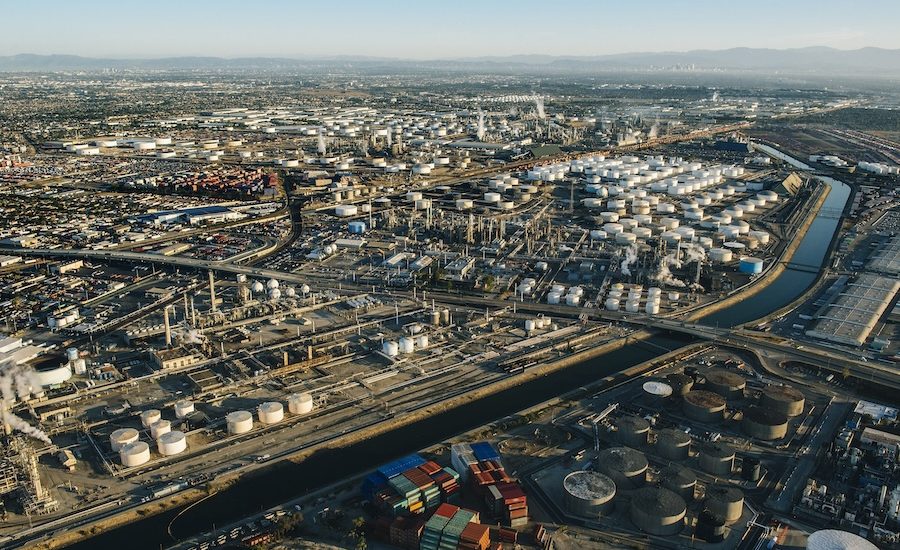
California Refinery Workers Reach $9 Million Settlement Over Unpaid On-Call Time
A proposed class action settlement for $9 million is nearing its final approval, resolving labor law claims between Marathon Refining Logistics Services LLC and employees who claim they were not paid for time they spent on restrictive on-call shifts.
The lawsuit covers approximately 748 current and former employees of Marathon’s Los Angeles refinery between May 2020 and late 2025.
The lawsuit was filed in May 2023 by two refinery workers who began working for the refinery in the 2000s. The lawsuit alleged that workers placed on “Primary Relief” on-call assignments were under their employer’s control and thus should have been paid when they were on call.
The lawsuit alleged that Marathon’s “Primary Relief” assignments were two-hour standby windows in which workers only had to report to the refinery if called. Workers were expected to monitor their phones, awaiting a call. If they were called, workers had to show up within 90 minutes. During Primary Relief assignments, employees were expected to stay sober, well-rested, and ready to work a full 12 hours, whether or not they were actually called in to work. Thus, workers could not schedule their day when put on a Primary Relief shift. Employees who didn’t respond to a call faced disciplinary action.
Primary Relief workers who received a call during their two-hour standby window and reported for duty were paid for a full 12-hour shift. Those who weren’t called, however, never received any compensation, according to the lawsuit.
The plaintiffs argued that they should have been paid whether they were called in or not. Workers on Primary Relief standby were still under the company’s control regarding their schedules and behavior – a level of control that called for the company to pay them for adhering to its standards during that time, they alleged.
Marathon disagreed. The refinery argued that simply being scheduled for a two-hour Primary Relief window didn’t constitute “reporting to work” under California’s reporting time pay rules. Thus, Marathon argued, the company wasn’t responsible for paying workers unless it actually called them in.
The lawsuit went through several developmental stages from 2023 to the present. Motions to dismiss were filed, the parties contested the class certification, and the case was briefed for summary judgment. Eventually, the parties reached a settlement totaling approximately $9 million.
No workers included in the class opted out of the lawsuit. Some disputed their individual workweek calculations; of eighteen disputes, sixteen were resolved in the workers’ favor.
Because the case settled, its core questions of law remain unanswered. For example, Marathon argued that federal labor law pre-empts certain state wage claims when a workplace is unionized, as the refinery is. That question will have to wait for a future case or court to weigh in.
Marathon is not the first company in California’s refining and industrial fields to face a wage and hour complaint in recent years. Questions still remain about when, whether, and how employers can restrict employees’ behavior during off-duty time – and when these restrictions turn “off-duty” time into time for which employers must pay. Questions about exactly where to draw the line between “off-duty” and “off the clock” also remain unanswered.
Nor is this the first wage and hour case Marathon has faced recently. In 2025, Marathon agreed to a $7.2 million settlement to compensate over 2,200 workers. In that case, workers argued that they were shorted on pay and rest breaks in multiple Marathon workplaces.
The settlement fund will cover payments to workers who did not receive pay for Primary Relief shifts in which they were not called in to work. Individual payments are expected to vary, based on how often each covered employee was assigned a Primary Relief shift but never called in. The average payout is estimated to be approximately $8,800 per person.
Marathon Refining Logistics Services LLC’s Los Angeles refinery is the largest refinery on the West Coast. It can handle approximately 365,000 barrels of crude oil each day, according to the company.
Do you suspect you’re facing wage theft, overtime violations, or similar issues at work? Speak to the attorneys at McCormack Law Firm. We represent workers throughout the San Francisco Bay area. Call 415-925-5161 today to schedule a free initial consultation with our employment lawyers.
Disclaimer: This article is for information purposes only. McCormack Law Firm is not involved in this case. This case result does not mean future case results will be the same and results are not guaranteed.
Read more

Metro by T-Mobile Stores in East San Jose Face Lawsuit Over Wage Violations
California workers have some of the strongest labor law protections in the country. But when those protections are ignored, workers can end up with less pay, poor working conditions and little idea…

California Gym Accused of Cheating Workers Out of Wages and Breaks
Working in a gym may seem like a straightforward job, but for many fitness trainers and hourly employees, it’s anything but simple. Behind the upbeat music and the daily grind of dealing…

San Francisco’s House of Prime Rib Sued for Denied Breaks
House of Prime Rib is a San Francisco favorite, known for its old-school charm and signature beef cuts. A recent lawsuit, however, reveals problems behind the scenes. A former server claimed the…

San Francisco AI Startup Sued for Wage Theft and Worker Misclassification
Artificial intelligence is already transforming the daily lives of Americans and posing new challenges. What hasn’t changed is workers’ fundamental rights to fair pay and proper classification. A San Francisco-based AI startup…
SEEN ON