FREE CONSULTATIONS:
415.925.5161
California Engineer at Figure AI Claims He Was Fired in Retaliation for Warning About Robot Safety Hazards
Most workers assume that if they notice something dangerous at their workplace and report it to management, they’ll be protected. After all, pointing out hazards helps everyone stay safe. But what actually happens when those warnings aren’t welcomed, especially at a company racing to bring a new product to market?
A lawsuit filed recently in federal court in the Northern District of California shows just how wrong things can go when safety concerns clash with business priorities. A former principal robotic safety engineer at Figure AI claims he repeatedly warned company executives about serious safety risks and was fired just days after sending his most detailed complaints in writing. Figure AI is an Nvidia-backed startup known for developing humanoid robots.
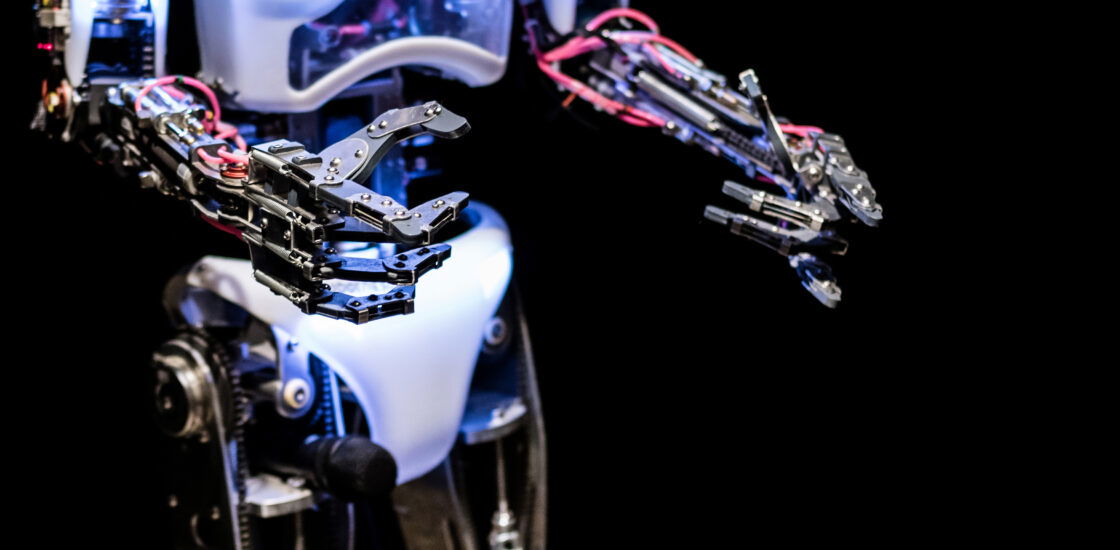
According to the complaint, the plaintiff told the CEO and chief engineer that Figure AI’s robots “were powerful enough to fracture a human skull.” He pointed to testing data showing the machines could generate forces more than twice what’s needed to break bone. He also described an incident where a malfunctioning robot struck a refrigerator with enough force to gouge a quarter-inch gash into the stainless steel door, narrowly missing an employee standing nearby.
Figure AI has denied the allegations, saying the engineer was terminated for poor performance and calling his claims false. However, the problems went beyond ignored warnings, the complaint said.
The engineer alleges a pattern of gradual marginalization that began well before his termination. Regular safety meetings with the CEO became less frequent over time, eventually dropping from weekly to quarterly. Messages about safety issues allegedly went unanswered.
The lawsuit claims that after the plaintiff presented a safety roadmap to prospective investors, that plan was substantially altered once the investors committed their funding. A safety feature was allegedly removed from one of the robots because the chief engineer didn’t like how it looked.
This kind of gradual isolation can be a telltale sign of retaliation. When employees raise concerns that management doesn’t want to hear, they’re often slowly pushed to the margins before any formal action is taken. The pattern creates plausible deniability, but California law recognizes these tactics for what they are.
The timing of the termination is also telling. According to the lawsuit, the engineer was fired just days after bringing his safety complaints to company leadership. California law protects workers who report safety violations or unsafe working conditions. These protections apply to internal complaints made within a company, not just reports to government agencies.
When making a complaint, workers don’t need to be absolutely certain that a law is being broken. They just need a reasonable belief that there is a problem. When someone is fired shortly after speaking up, the law treats that timing as evidence of retaliation, shifting the burden onto the employer to prove the termination was legitimate.
Legal protections for workers exist for good reason. Workplaces function better when employees can raise safety concerns without fear. The protections matter across all industries, whether you work in construction, healthcare, manufacturing, retail, food service or any other field.
Employers who retaliate against whistleblowers rarely announce their true reasons. Instead, they often cite vague justifications like poor performance or restructuring. The lawsuit against Figure AI alleges exactly this pattern, claiming the company cited a change in business direction as the reason for the termination.
Documentation becomes critical in such cases. According to the lawsuit, the engineer communicated his safety concerns to executives in writing, creating a clear record of when he raised issues and how leadership responded. If you find yourself in a similar situation, putting your concerns in writing protects you by creating evidence that you engaged in a legally protected activity. It also establishes a timeline that can reveal suspicious patterns if you’re later fired or demoted.
If you have experienced retaliation for raising safety concerns, reporting misconduct or exercising your workplace rights, you have legal options. At McCormack Law Firm, our San Francisco employment lawyers have extensive experience representing workers in employment disputes, including wrongful termination and whistleblower retaliation cases. Contact us today for a free initial consultation to learn more.
Disclaimer: This article is for information purposes only. McCormack Law Firm is not involved in this case.
Read more

SF State Employee Faces Retaliation for Speaking Up About Ignored Misconduct Complaints
Imagine this: you are hired to address a backlog of discrimination and harassment complaints at a university. You take your job seriously, launch investigations and strive to create a safe space for…

San Francisco Tech Startup Under Fire for Sexual Harassment and Gender Discrimination
The company culture at tech startups can commonly be characterized by a combination of informality, flexibility and innovation, along with a strong emphasis on collaboration. Startups tend to have less formal hierarchies…

Employee Sues San Francisco Hedge Fund for Misogynistic Workplace Culture
Intense and competitive work environments are often hallmarks of hedge funds. There may also be a lack of formal hierarchy with fewer checks and balances to prevent workplace misconduct. Without proper oversight,…

Addressing the Gender Gap: Ongoing Challenges for Women and Legal Remedies in the Workplace
The landscape of job opportunities for American women has undergone significant changes over the past several decades. From increased workforce participation to greater representation in high-paying positions, women have made notable strides….
SEEN ON